
Disinfection Services
UltraViolet Disinfection (UV-C)
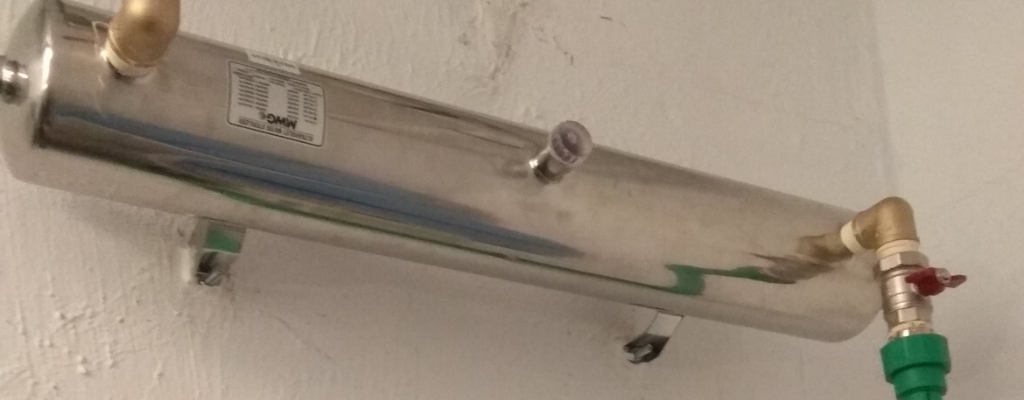
Irradiation of water by radiation in the spectrum of ultraviolet with microbicidal action (UV-C) has been known for decades. It is applied in many industrial applications such as preparation and processing of food and beverages, production of pharmaceuticals and hygiene products, while in recent years it finds many applications in home consumption.
The disinfectant action of UV-C systems is due to the high energy radiation property, which destroys the DNA of bacteria, viruses, seeds, fungi, mites and mold by preventing their growth and multiplication. Eliminates microorganisms such as Giardia, Cryptosporidium and Pseudomonas Aeruginosa immediately and safely.
The radiation is produced by special lamps which are placed in a transparent glass protective cup so that the lamp does not come into contact with the passing water. The cup together with the lamp are integrated in a stainless-steel chamber where the water enters and with its longitudinal passage it radiates instantly throughout its mass. It is necessary for water to enter free of suspended particles so that microorganisms are not covered by the “shadow” of the particles during irradiation and the permeability of the glass is high (UV-T> 95%). It is also important that the water has been pretreated for low conductivity and hardness in the absence of scale deposits or other metals. The lamp life is usually 9,000 hours in 24-hour operation and is replaced on an annual basis.
The advantages of using UV-C sterilizers are the disinfection of water without the by-products of chlorination such as chloramines and their derivatives, it does not affect the taste and smell and does not change the pH of the water. It retains its natural and beneficial characteristics ensuring the elimination of all microorganisms.
Disinfection with automatic chlorination systems
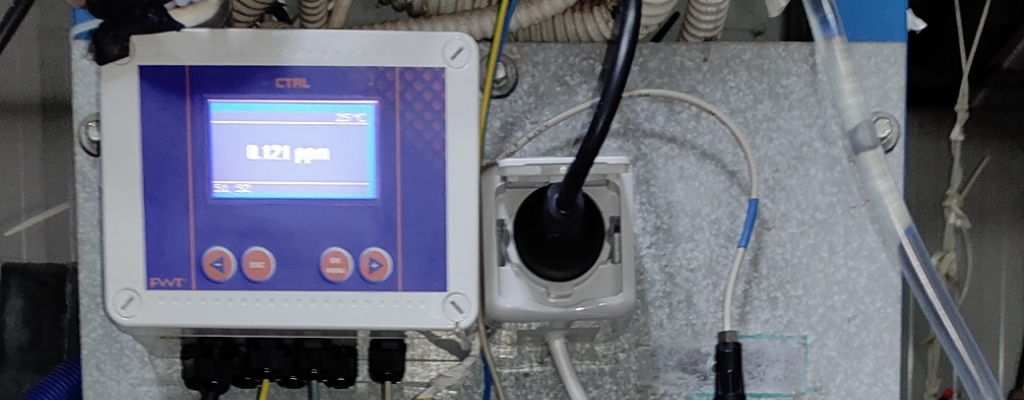
The method of disinfection with sodium hypochlorite, also known as chlorination with liquid chlorine, is widespread with many applications due to its reliability in the neutralization of many microorganisms and other biological materials. Its widespread use is mainly due to its residual action as it is dosed in excess especially in the water supply networks.
However, hyperchlorination or hypo chlorination of the network is often observed due to uncontrolled addition during dosing. KP offers a series of automatic chlorination systems with residual chlorine control, redox potential control, temperature, volumetric flow and pH adjustment, all through central controllers of multiple parameters.
In this way the dosing of chemicals is accurate and immediate.