
Disinfection
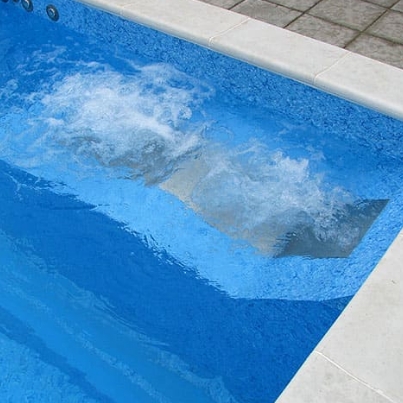
Ensuring the proper hygiene of the pool water protects the swimmers while at the same time ensuring the ideal visual result which complements its overall functionality. Proper pool chemistry is essential, and for this purpose automated disinfection systems are offered which accurately doses the chemicals, while requiring minimal user involvement. This also ensures the required consumption of chemicals each time, significantly reducing the operating costs of the pool. These automations include all possible disinfection methods such as chlorine, active oxygen and ultraviolet UV radiation.
. At the same time, new alternative and at the same time ecological methods of pool water disinfection have been developed, such as salt electrolysis, low salt hydrolysis and magnesium electrolysis with activated glass sand.
Solid chlorine disinfection (Cyanuric acid derivatives)

The classic disinfection method due to the convenience it offers to the end user is solid chlorine in tablet or powder form. These are organic compounds of cyanuric acid salts, which by dissolving in water gradually release hypochlorous acid which acts as an oxidizing agent destroying microorganisms and pollutants that accumulate in the pool water. Their disadvantage is that they cause irritation during their management and are not subject to accurate and continuous dosing. They are more suitable for small indoor pools.
Disinfection with liquid chlorine (Sodium hypochlorite)
The most common method of disinfection not only for pool water but also for several other disinfection applications, such as drinking water in public or private water networks, disinfection of liquid food tanks, surfaces or appliances for human use. The great advantage of sodium hypochlorite is its easy management through automatic dosing systems which constantly control the residual chlorine and accurately supplement the amount required depending on the needs of the pool. It is widely used in professional swimming pools as it responds directly to fluctuations in microbial load and pollutants depending on the number of bathers.
Disinfection by salt electrolysis
This is a different technology which is based on the production of chlorine by electrolysis from common table salt. It requires the dissolution of sodium chloride in the pool water i.e., the common table salt is diluted to a small concentration, usually 4-5 gr / lt, and by applying low voltage electricity to a titanium electrolytic cell, the residual chlorine required for disinfection is produced. It has an automatic controller for precise control of chlorine production while combined with pH and redox (or residual chlorine) electrodes for continuous measurement and dosing adjustment. The great advantage is that the chlorine, after completing its disinfecting action, reacts again with the sodium of the salt and forms cooking salt again. This means that during the operation of the pool we add small amounts of salt due to the evaporation of water and the cleaning of the filter. It is the most environmentally friendly and economically viable option due to the significant reduction in the consumption of disinfectant chemicals. This method does not cause unpleasant irritations to the eyes, skin, or breath of swimmers.
Disinfection by hydrolysis
An alternative method of disinfection by electrolysis is hydrolysis by breaking down water into products with oxidizing and disinfecting action. These reactions are performed by applying electrical voltage to titanium electrodes which have a special coating where catalytic actions take place. The products of the reactions are ozone (O3), O- and hydrogen peroxide (H2O2), which act as oxidants in combination with chlorine from low-salt cooking salt (1-2 gr / l in pool water). All products with the method of hydrolysis after acting then are regenerated maintaining their disinfectant properties. With this method, bathers do not experience unpleasant irritations when in contact with water.
Adjusting the pH
But a very important parameter that is often neglected and is necessary for the proper chemistry of the pool, is the adjustment of the pH, the range of which should be between 7.2 and 7.6. Pool water below 7.2 is corrosive to the equipment while above 7.6 it forms salts and cloud the pool. It also causes unpleasant irritations to bathers in both cases. Proper pH regulation does not allow the formation of chloramines or other by-products (THMs) which are responsible for irritation to the eyes, skin, and respiratory system. In this way any disinfection system uses the minimum amount of chlorine required to destroy the maximum microbial load, significantly reducing the consumption and cost of chemicals.
Alternative methods of disinfection
Disinfection with Ultraviolet radiation devices which are connected to the recirculation circuit and work in support of other chlorine disinfection methods. Their disinfectant action is due to the breakdown of the biological charge of microorganisms by high energy ultraviolet radiation. It also drastically reduces the formation of chloramines by improving the action of chlorine.
Disinfection with ozone which is produced through a high energy generator. Ozone (O3) is momentarily formed by oxygen and destroys the biological material of microorganisms. It is always applied in combination with residual chlorine in a smaller dosage than the usual chlorination method. Due to its toxicity, it requires special attention and maintenance from the user, so it is more common in professional applications.
Activated glass sand (AFM)
A new ecological disinfection method that combines low chemical consumption with water and energy savings, is the use of activated glass sand. A revolutionary filter filler which comes from glass recycling and which removes 30% more organic material preventing the formation of biofilm inside the purification filter. The result is lower consumption of chemicals, filter water and energy savings. Combines with low chlorine consumption with the low salinity method of hydrolysis and the electronically controlled recirculation pump via inverter.